The Trump administration is hitting 60 countries, including allies like Canada, Mexico and the UK, with new tariffs for failing to stop forced-labor goods from reaching American shelves.
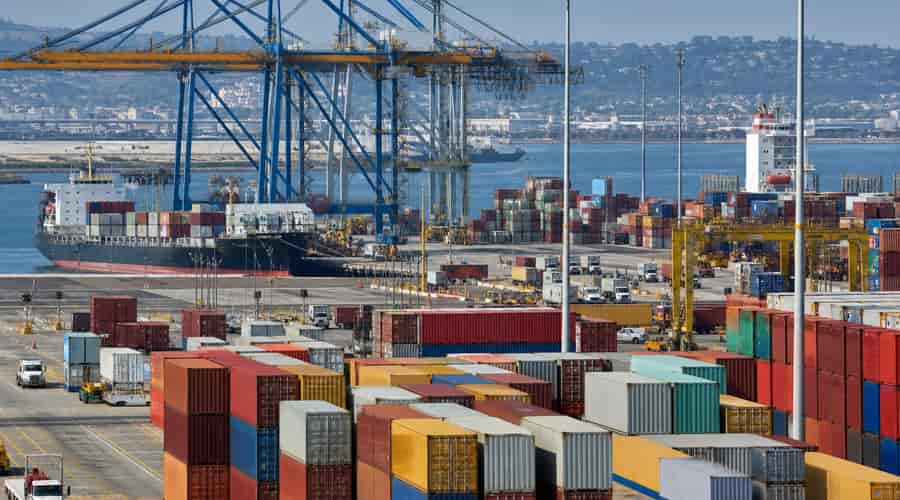
Starting July 25, nearly every country that sells goods to the United States will pay a new toll at the border. The U.S. Trade Representative announced July 23 that it is imposing tariffs of 10 percent to 12.5 percent on 60 trading partners, an action that covers 99.4 percent of all U.S. imports. The trigger is not currency manipulation or subsidized steel. It is forced labor, and Washington says most of the world still refuses to do anything meaningful about it.
The move comes under Section 301 of the Trade Act of 1974, the same law that lets a president penalize countries for unfair trade practices after a formal investigation. This one was not rushed. USTR Ambassador Jamieson Greer told senators the finding was "the culmination of years of effort to persuade our trading partners to join our efforts and create a level playing field for American workers and businesses," built on two rounds of public hearings and more than 2,100 public comments. When he made the tariffs official, Greer put it bluntly: "The United States has had a forced labor import ban for nearly a century, and rigorously enforces it. It's well past time for our trading partners to do the same."
That is the heart of the case the administration is making, and it is worth taking at face value. Congress banned the import of forced-labor goods into the United States back in 1930. Customs and Border Protection has detained roughly a billion dollars worth of shipments under the newer Uyghur Forced Labor Prevention Act alone, tied to goods suspected of coming out of Xinjiang, where Beijing has been accused of running forced-labor camps for Uyghur Muslims. Cotton, tomatoes, polysilicon, electronics and apparel have all turned up in enforcement actions. Most other governments, according to USTR's findings, have no comparable law on the books, or have one and simply do not enforce it.
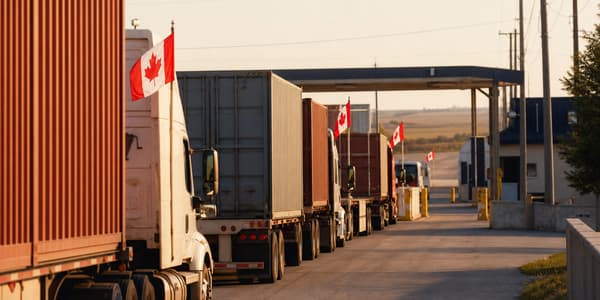
The tariff schedule splits the world into two tiers. Roughly ten countries that have at least adopted a forced-labor import ban, including Mexico, the United Kingdom, Canada and India, face the lower 10 percent rate. Most of the other 60, deemed by USTR to have done essentially nothing, are hit with 12.5 percent. Vietnam and China fall into that harder-hit group. A handful of others, including the European Union, get a blended rate calculated to bring their overall most-favored-nation tariff up to either the 10 or 12.5 percent line. The tariffs replace an earlier round of reciprocal duties that were set to lapse, meaning the administration is not layering new costs on top of old ones so much as swapping one tariff regime for another built around a different justification.
Apparel, footwear, agricultural goods and electronics are the sectors with the longest history of forced-labor findings, and they are the ones most likely to feel this first. Importers who have spent the last few years restructuring supply chains around the Uyghur Forced Labor Prevention Act already have some of the infrastructure in place to trace where a garment or a solar panel component actually came from. Those who have not will now have a financial reason to start.
Allies protest, Beijing largely shrugs
The reaction split along predictable lines. Brazil, facing the steeper 12.5 percent rate, called the decision "arbitrary and unjustified" and said it would move ahead with retaliatory tariffs of its own. Canada, the European Union and Mexico each pushed back on being grouped with the worst offenders, noting they already have forced-labor import bans on their books. USTR's answer is that having a law and enforcing it are not the same thing, and that none of the three has shown the kind of aggressive customs enforcement the United States has built since the 1930 Tariff Act and expanded under the 2021 Uyghur Forced Labor Prevention Act.
China, the country most directly implicated in the underlying human rights concerns, has said comparatively little in response, even as it absorbs one of the higher tariff rates alongside Vietnam.
Whether any of the 60 governments move to tighten enforcement before the next USTR review is the real test of whether this action works as intended. Trade lawyers expect legal challenges from at least some of the affected countries, and Congress will be watching whether the tariffs actually change behavior at ports in Ho Chi Minh City, Brasilia and Ottawa, or simply become another line item American importers pass on to consumers. For an administration betting that economic pressure succeeds where decades of diplomatic pressure failed, the next few months of customs data will tell the story.
Also read: US homicide rate on pace to hit lowest level in more than a century • FCC Chairman Says ABC's Trump Speech Snub Will Factor Into License Review • Jim Jordan refers Jack Smith to DOJ for lying to Congress about texts