The Justice Department filed a complaint-in-intervention Thursday in federal court, backing a 125-year-old order of Catholic nuns that faces fines, license revocation, and up to a year in prison if it refuses to house biological men with women in its hospice for dying cancer patients.
The Dominican Sisters of Hawthorne run Rosary Hill Home, a 42-bed facility in Westchester County that has provided free palliative care to the terminally ill poor for more than a century. New York's 2024 LGBTQ Long-Term Care Facility Residents' Bill of Rights, codified as Public Health Law Section 2803-c-2, requires every licensed long-term care facility in the state to assign rooms and bathrooms by gender identity and compel staff to use residents' preferred pronouns. For the Sisters, compliance means violating core Catholic teaching on the nature of the human person. Albany's answer to that conflict: comply or lose your license, pay fines up to $10,000, and face potential criminal prosecution.
The Sisters filed suit against Governor Kathy Hochul and the state Department of Health on April 6. Two and a half months later, the Trump Justice Department decided the case was worth the federal government's name on the complaint. The DOJ's Complaint-in-Intervention, filed in the U.S. District Court for the Southern District of New York in case No. 7:26-cv-02809, argues that New York's law violates the Fourteenth Amendment's Equal Protection Clause by applying the mandates to religious facilities while giving secular facilities greater operational flexibility. The state is treating Catholic nuns differently, and worse, precisely because they are Catholic.
U.S. Assistant Attorney General Harmeet Dhillon did not soften the administration's position. "States should take notice that they cannot require Americans to abandon their religious beliefs in the name of woke gender ideology," she said Thursday. That framing captures the DOJ's legal theory: the Equal Protection problem is not merely that the law is burdensome, but that it singles out religious organizations and applies pressure it does not apply to comparable secular ones.
The Sisters' original complaint, filed with the backing of the Catholic Benefits Association, lays out what Rosary Hill's religious mission actually looks like in practice. The facility is run entirely by vowed women religious, serves patients regardless of ability to pay, and grounds its entire model of care in Catholic anthropology, which holds that a person's biological sex is a fixed, given reality. Requiring staff to affirm a resident's self-identified gender would, in the Sisters' telling, require them to participate in a statement they believe is false and spiritually harmful. The facility does not turn away patients on the basis of gender identity. The lawsuit asks the court to recognize that accepting patients and accepting a state-mandated ideology about those patients are two different things.
Without injunctive relief, the complaint warns, the Sisters face imminent fines and license revocation. A hospice that loses its license closes. More than a century of free care for the dying poor ends not because the Sisters stopped serving anyone, but because Albany decided their theological convictions are incompatible with a state license.
What the Biden DOJ Did Instead
The contrast with the previous administration is direct. The Biden Justice Department did not intervene on behalf of religious organizations challenging gender-identity mandates in health care settings. It moved in the opposite direction, issuing guidance that Title IX and other federal nondiscrimination statutes required health care providers to treat patients consistent with their gender identity. The Trump DOJ's reversal is not subtle: the same constitutional clause, the Equal Protection guarantee, now functions as a shield for religious institutions rather than a tool against them.
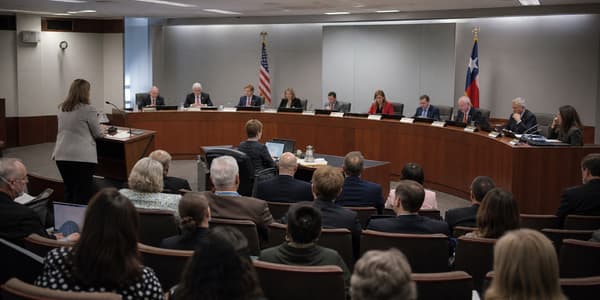
Hochul's office had not responded to requests for comment as of publication Thursday. The state has defended the law as necessary to protect a vulnerable population from discrimination, a position it will need to advance before Judge in the Southern District while the federal government argues the opposite.
The case will now move through the Southern District with the United States as an active party. The Sisters are represented in the underlying suit; the DOJ filed its own complaint-in-intervention rather than simply filing an amicus brief, which gives the federal government standing to litigate the constitutional question on its own terms. If the court sides with the nuns and the DOJ, it would establish that New York cannot apply its gender-identity mandates to religious care facilities without running afoul of the Fourteenth Amendment. The implications for similar laws in other blue states would be immediate.
Also read: MLB warns Giants pitchers for Bible verses on Pride Night caps while mandating rainbow gear • Bethany Christian Services bars LGBTQ couples from foster and adoption • Catholic bishops consecrate America to the Sacred Heart as Trump joins in prayer