The U.S. bishops made history Thursday by consecrating the nation to the Sacred Heart of Jesus for the first time, with the Trump White House issuing an official presidential message declaring that the president and first lady join in prayer.
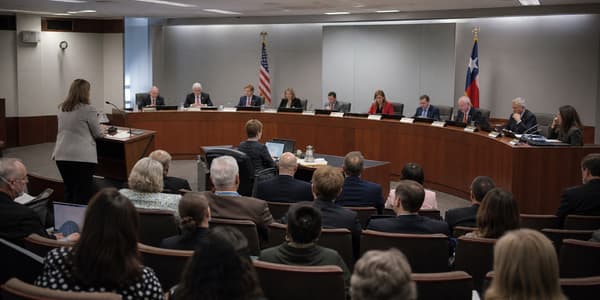
More than 270 Catholic bishops gathered at the Basilica of the National Shrine of Mary, Queen of the Universe in Orlando and formally consecrated the United States to the Sacred Heart of Jesus on June 11, the first act of its kind in American history. The U.S. Conference of Catholic Bishops approved the ceremony last November by a vote of 215 in favor, tying the gesture to the country's 250th anniversary of independence.
President Trump marked the moment with an official statement posted to the White House briefings page. "Today, Melania and I join in prayer with Catholic Bishops gathered in Orlando, Florida, as they consecrate the United States of America to the Sacred Heart of Jesus on the occasion of our 250th year of American Independence," the statement read. No sitting president has issued an official endorsement of a national consecration ceremony before.
The relics of St. Margaret Mary Alacoque, the French Visitation sister whose 17th-century visions of Christ gave the devotion to the Sacred Heart its modern form, were present for the Mass. The Knights of Columbus escorted the historic relics to Orlando. Archbishop Thomas Wenski of Miami had proposed during the USCCB's fall plenary in November that the ceremony be made a major national celebration and that invitations be sent to Trump, Vice President JD Vance, and other public officials.
Trump's White House statement drew a direct line from Thursday's ceremony to Bishop John Carroll, the first Catholic bishop in the United States and a cousin of Catholic Founding Father Charles Carroll, who consecrated the young republic to Mary, the Mother of God, in the years just after the Revolutionary War. The statement invoked President Reagan and Pope John Paul II as models of defending America's "spiritual identity and civilizational inheritance" and closed by praying that the country would remain "a land of faith, a country of miracles, and a light and glory to all nations."
The timing added its own weight. June 12 is the Feast of the Most Sacred Heart of Jesus on the Catholic liturgical calendar, placing the consecration on its vigil. The USCCB had invited parishes across the country to participate in the weeks leading up to June 11 through 250 Hours of Adoration and 250 Works of Mercy, part of its "We Hold These Truths" initiative celebrating Catholic contributions to American life. The Mass was livestreamed on the USCCB's YouTube channel.
A Contrast With the Recent Past
The White House's posture is a sharp departure from the Biden years, when relations between the federal government and Catholic institutions grew openly hostile. Biden's Department of Justice prosecuted pro-life demonstrators under the FACE Act, drawing formal condemnation from the bishops. A 2022 FBI memo from the Richmond field office, later retracted after public outcry, had flagged traditionalist Catholic parishes as potential venues for domestic extremism. The administration dismissed the USCCB's public statements on abortion and immigration as partisan interference.
Trump's message framed Catholic heritage as inseparable from the American founding, citing missionaries, priests, and centuries of Catholic civic life as central to the national story. The gesture aligned the executive branch with the bishops' most consequential public act in years. Whether that alignment holds as the bishops continue to speak on immigration, poverty, and other issues where their positions complicate simple partisan labels, the events of June 11 marked a turn that 70 million American Catholics noticed.
The USCCB's spring plenary continues through June 12 in Orlando. The feast day that follows the consecration gives both the Church and the White House a natural moment to build on what happened Thursday, and to show whether a presidential prayer message becomes the beginning of something larger or remains a singular anniversary gesture.