US Park Police have arrested an American Olympic canoeist for allegedly dumping chemicals into the Lincoln Memorial Reflecting Pool, a monument the Trump administration had just finished restoring, drawing a sharp response from the president.
The arrest came within days of the Reflecting Pool's reopening after a renovation completed under the Trump administration. According to the New York Post and Washington Examiner, US Park Police took the suspect into custody on allegations that he used chemicals to vandalize the pool. The suspect is identified in multiple reports as a current or former Olympic canoeist. Specific charges and formal charging documents were still emerging at press time.
President Trump responded publicly, telling reporters that vandals had tried to "destroy and demean" the restoration work, according to Fox News. That framing was deliberate. The White House has made the upkeep and renewal of national monuments a visible part of its domestic agenda, and the Reflecting Pool renovation was held up as an example of that commitment. Defacing it days after reopening is the kind of act that lands differently than run-of-the-mill vandalism.
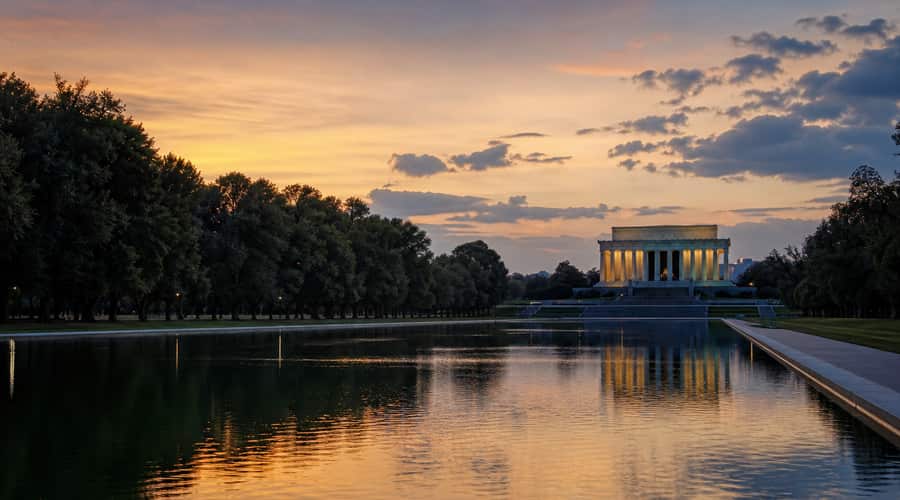
The Lincoln Memorial Reflecting Pool is not a minor piece of civic real estate. It stretches 2,029 feet between the Lincoln Memorial and the World War II Memorial, drawing millions of visitors a year. The recent renovation addressed years of deterioration. Park Police have not yet detailed what chemicals were allegedly introduced or what damage resulted, but federal statutes protecting national monuments carry serious penalties, and prosecutors will almost certainly weigh whether charges under those laws apply.
The renovation itself was not a cosmetic project. The pool had struggled for years with persistent algae blooms, compromised water-circulation infrastructure, and a filtration system that maintenance crews had repeatedly patched rather than replaced. The overhaul included new recirculation pumps, updated drainage, and improvements to the surrounding plaza. National Park Service officials estimated the rehabilitation at several million dollars, making any deliberate chemical contamination not merely a symbolic affront but a potential attack on a recently completed capital investment funded by American taxpayers.
Under federal law, malicious destruction of government property exceeding one thousand dollars in damage is a felony under 18 U.S.C. Section 1361, carrying a potential sentence of up to ten years. Separate statutes specifically protecting national monuments and memorials could add additional exposure. The Justice Department has, in recent years, brought felony charges in monument-related cases stemming from the 2020 civil unrest, establishing a precedent that prosecutors in this administration are unlikely to walk back.
The suspect's status as an Olympian sharpens the story considerably. Elite athletes operate under a particular kind of public trust, and the combination of a national monument, a presidential renovation effort, and a high-profile suspect has made this arrest one of the more striking criminal cases to emerge from Washington in recent weeks. Reporting from the Post and Examiner noted the athlete's prior profile but, as of publication, his social-media history and any record of prior political activism had not been fully established in public filings or on-the-record statements.
Canoe and kayak sprint, the discipline most American competitive paddlers compete in at the Olympic level, is a relatively small athletic community, which means the suspect's peers and coaches will be among the first to face questions about what, if anything, preceded the alleged act. USA Canoe Kayak, the sport's national governing body, had not issued a public statement as of press time.
Federal vandalism of a national monument carries potential felony exposure depending on the extent of damage. The specific statutes Park Police or the Justice Department choose to pursue will define both the severity of any prosecution and the public signal it sends about the administration's willingness to treat monument vandalism as more than a misdemeanor nuisance.
What Comes Next
Formal charges, if filed, will clarify the legal theory and the scope of alleged damage to the pool. The suspect's identity and any connections to activist networks will draw scrutiny in the days ahead. Trump has already put the White House's prestige behind the monument restoration program; how the Justice Department handles this case will be a test of whether that commitment carries through to enforcement. The National Park Service will also need to assess whether the pool requires remediation before it can safely reopen to the public again, a logistical and financial question that will factor into any restitution calculation at sentencing. Watch for a charging document, a bond hearing, and the administration's response if the case moves into federal court.
Also read: Federal judge orders Biden's ghostwriter tapes released over his objections • Federal appeals court bars California from hiding student gender transitions from parents • Los Angeles City Council votes to put noncitizen voting on the November ballot