Iran struck three commercial tankers in the Strait of Hormuz, and the United States answered within hours: new airstrikes on Iranian military targets and the reinstatement of oil sanctions Tehran had only just been granted relief from.
The Treasury Department revoked the 60-day license it issued last month allowing Iran to legally sell its oil, a concession made as part of the fragile ceasefire ending the war Trump launched against Tehran's nuclear program in February. Iran gets until July 17 to wind down any transactions already underway. After that, the sanctions snap fully back into place.
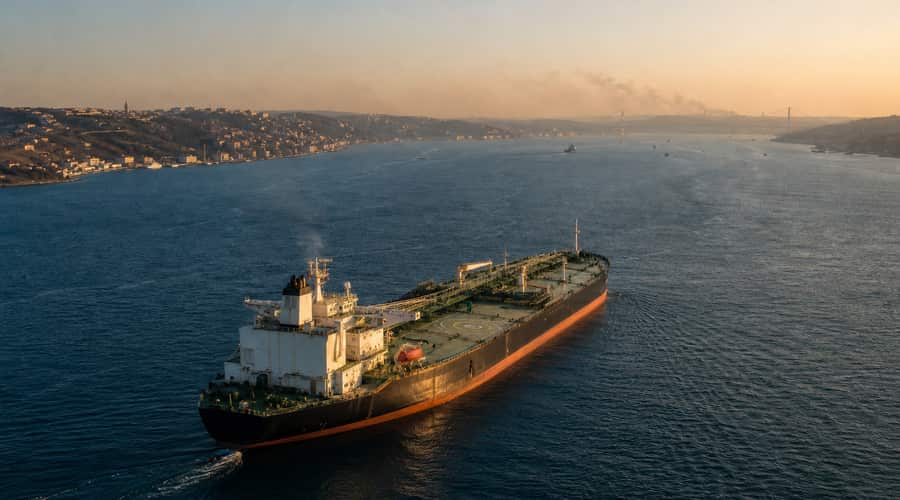
The trigger came Tuesday, when three tankers were hit in the waterway that carries roughly a fifth of the world's oil. The Al Rekayyat was struck by a projectile and caught fire; no casualties were reported. Two more vessels were hit, one by projectile and one by drone, according to the U.N.'s International Maritime Organization, which said it was the heaviest single day of attacks in the strait since late April.
U.S. Central Command said it launched a series of strikes against Iranian air defense systems, coastal surveillance sites, surface-to-air missiles, anti-ship cruise missiles and drone launch positions. CENTCOM said the goal was to "impose heavy costs for targeting and attacking commercial shipping crewed by innocent civilians in an international waterway," and called Iran's actions "unwarranted, dangerous, and a clear violation of the ceasefire."
Iran has threatened what it called a "decisive" response, according to reporting from the Times of Israel, though as of Tuesday no further attacks had been confirmed. The strikes mark the second time in as many months that Iran has hit shipping in the strait only to draw an immediate American military response, a pattern the Trump administration has now shown it will not let slide.
That is the through-line here. When Iran violated the ceasefire in June, Washington answered with force and pulled back a concession. When Iran did it again this week, Washington did the same thing, faster. Contrast that with years of an Obama and Biden approach that treated Iranian provocations in the Gulf as something to be managed with statements rather than consequences. Trump's team has now revoked a sanctions waiver twice in six weeks rather than let Tehran bank the relief while continuing to menace tankers.
Oil markets felt it immediately
Brent crude jumped to $76 a barrel and U.S. crude surged nearly 6 percent, climbing back above $70 for the first time since June 30. That is the practical stake for American drivers and businesses: every time Iran tests the strait, a fifth of the planet's oil supply runs through a chokepoint an adversary has now demonstrated it is willing to shoot into. Sustained instability there does not stay confined to shipping insurance rates. It shows up at the pump.
The administration's position is that the license was never unconditional. Treasury issued the 60-day oil-sale waiver last month as an incentive for Iran to keep the strait open and hold to the ceasefire that ended the February war. Tehran's demonstrated aggression, in the U.S. reading, forfeited that deal. The wind-down deadline of July 17 gives buyers of Iranian crude a short runway to unwind existing contracts before sanctions enforcement resumes in full.
Washington says it still wants to reach a permanent settlement with Iran, one that would fully reopen the strait, roll back what remains of Tehran's disputed nuclear program, and formally end the war that began February 28. Those talks continue in parallel with the strikes, an uncomfortable but familiar posture: negotiate and retaliate at the same time.
What happens next depends largely on Tehran. If Iran answers Tuesday's strikes with further attacks on shipping, expect the ceasefire itself to come under direct threat and oil prices to keep climbing. If it stands down, the sanctions wind-down clock and the negotiating track both stay live. Either way, CENTCOM has signaled it is done absorbing hits on commercial vessels without a response, and the White House has signaled it is done handing Tehran sanctions relief it treats as a one-way street.
Also read: Trump talks peace with Putin and Zelenskyy on America's 250th birthday • Senate Republicans block Iran war powers resolution as peace deal nears signing • FBI foiled a drone and sniper plot targeting the White House UFC event