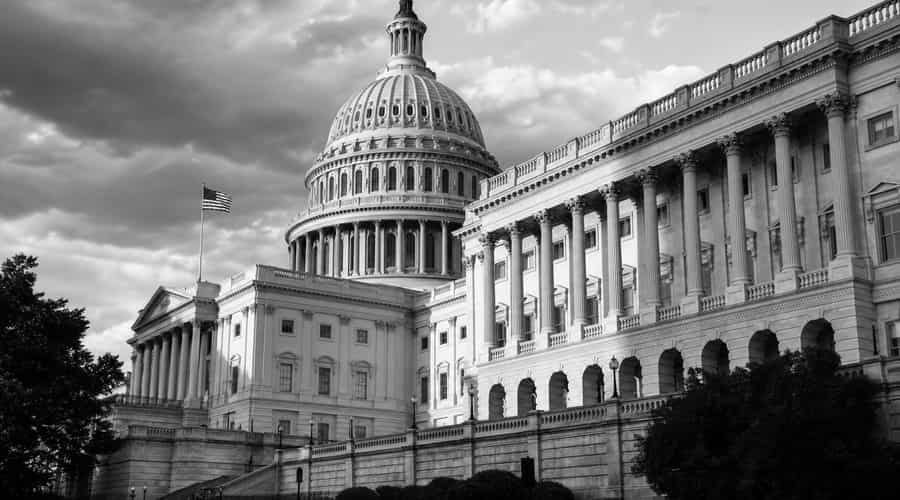
The Senate passed the 21st Century ROAD to Housing Act 85-5 on Monday, barring large institutional investors from buying more single-family homes and sending the bill to the House for a final vote before it reaches Trump's desk.
For years, working families watched corporate investors hoover up the starter homes they were trying to buy. Monday, the Senate decided it had seen enough. The 21st Century ROAD to Housing Act cleared the chamber 85-5, a margin that says something in a body that can barely agree on lunch. The bill now heads back to the House, which is expected to give it final approval as early as Tuesday and send it to President Trump, who has expressed support for the measure.
The core of the investor ban is straightforward: any entity that owns 350 or more single-family homes is barred from purchasing additional ones. According to data from John Burns Research and Consulting, only about 0.7 percent of America's 92 million single-family homes fall under portfolios that large. Critics of the bill have used that number to argue the provision is more symbolic than structural. Proponents counter that the symbolic is sometimes the point: the federal government has now drawn a line around the American neighborhood and told Wall Street it stops there.
The legislation is broader than the investor ban, which drew the most attention. It includes incentives for new construction, streamlined approval processes for infill housing, a program to convert abandoned commercial buildings into homes, and expanded access to manufactured housing loans. It also widens rural housing programs and tweaks community banking rules to make mortgage lending more flexible. Senate Banking Chairman Tim Scott of South Carolina shepherded the package alongside Democratic co-sponsors, a pairing that helped it attract the kind of lopsided support that lets a bill reach a president's desk instead of dying in procedural limbo.
The House had already passed its own amended version 396-13 in May, stripping out a provision that would have required investors who build single-family homes specifically for rental to sell them to individual buyers within seven years. The Senate accepted the House changes, clearing the path to final passage. What survived is still a meaningful restriction on institutional accumulation of residential real estate, even if the sharp edge of the divestiture rule did not make it through.
The Five No Votes
Five senators voted against the bill, all Republicans. Rand Paul, Ted Cruz, Mike Lee, Rick Scott, and others in that orbit have been consistent in arguing that the legislation trades one problem for a new one, using federal power to dictate private market behavior. A spokesperson for Lee said the senator opposed the bill partly because it would expand HUD programs that Trump's own budget had proposed eliminating, and because it gave Washington more authority over local zoning decisions. That argument deserves a hearing. A bill that makes it harder for a hedge fund to buy a subdivision while simultaneously enlarging the federal footprint over land use is not a clean conservative win. It is a tradeoff, and honest conservatives should say so.
The counterargument, which carried 85 votes, is that the market for single-family homes had already been distorted by institutional money long before Congress showed up. Letting that distortion run unchecked in the name of free-market principle is its own form of choosing sides. Scott and his co-sponsors made that case, and they made it convincingly enough to bring nearly the whole chamber along.
Trump has not yet scheduled a signing ceremony, but his administration released a statement of support for the updated bill. If the House votes yes Tuesday as expected, the president will have the chance to put his name on the most significant federal housing legislation in a generation, one that says plainly: the family trying to buy a home comes before the fund trying to buy a block. The House vote and any White House announcement will be the next thing to watch.
Also read: Biden judge halts Trump citizenship database ahead of 2026 midterms • Hochul quietly extends sex worker healthcare program, sticking taxpayers with $2.5M tab • Olympic canoeist arrested for allegedly vandalizing newly restored Lincoln Memorial pool