The organization that spent decades branding conservative groups as hate groups now faces federal fraud charges and a hostile congressional hearing over allegations it secretly paid Ku Klux Klan members to remain inside the movement.
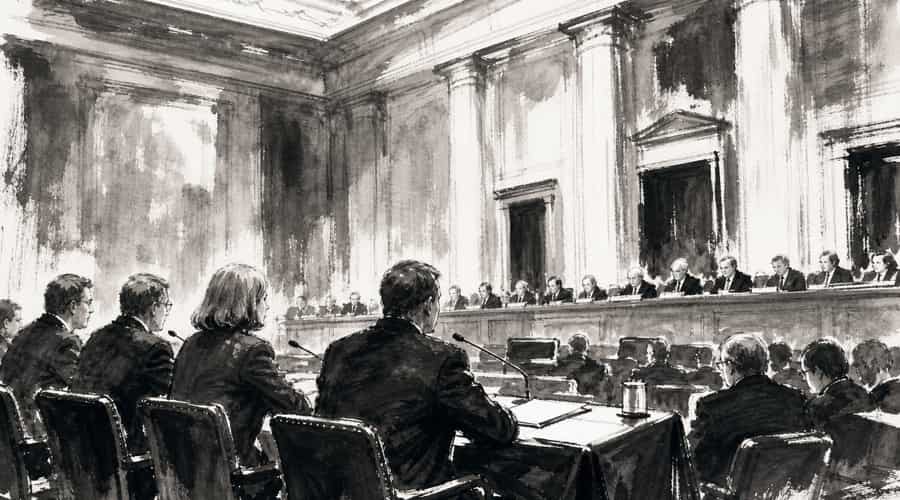
Bryan Fair, interim CEO of the Southern Poverty Law Center, testified Tuesday before the House Judiciary Committee in a hearing titled "The Southern Poverty Law Center: Manufacturing Hate, Part II." The session came weeks after a federal grand jury indicted the SPLC on charges of wire fraud, false statements to a federally insured bank, and conspiracy to commit money laundering, according to a Department of Justice press release issued April 21.
A superseding indictment that followed the original charges alleges that between 2010 and 2023 the SPLC secretly funneled more than $4 million in donor funds to individuals associated with the Ku Klux Klan, the Aryan Nations, and the National Socialist Party of America, according to Fox News and DOJ filings. The Daily Signal reported June 3 that the SPLC allegedly paid at least two Klan members roughly $1,200 a month to stay inside the movement when they tried to leave. One used the money to purchase materials for KKK robes and hoods, while another rose into a leadership role and helped recruit new members, the superseding indictment alleges.
To conceal the payments, the SPLC allegedly created accounts for fictitious entities, including ones called "Fox Photography" and "Rare Books Warehouse," according to Just the News. Donors, the government alleges, had no idea their contributions were funding the very organizations the SPLC publicly claimed to be fighting.
Chairman Jim Jordan opened Tuesday's hearing by summarizing the expanded charges, saying the new indictment details are "worse than we initially thought," according to Newsbusters. The committee also issued a subpoena demanding SPLC communications with the Biden-Harris administration, seeking to determine whether federal officials had any awareness of, or coordination with, the alleged scheme during those years.
The central irony driving congressional scrutiny is hard to miss. The SPLC built a large endowment and a national platform by publishing an annual "hate group" list that placed mainstream conservative and Christian organizations alongside neo-Nazis and the Klan. The Family Research Council, the Alliance Defending Freedom, and the Center for Immigration Studies are among the groups it designated, drawing bank deplatforming, donor cancellations, and lasting reputational damage that critics long argued was unjustified.
Jordan's letter to Fair demanded documents specifically related to SPLC communications with financial institutions about conservative organizations it had labeled. Conservatives contend the designation process was used to pressure banks and corporate partners into cutting ties with ideological opponents, and the pending fraud case has reframed that argument sharply: the organization was allegedly paying Klan members while publicly branding conservative churches and policy groups as dangers to democracy.
The SPLC has pushed back firmly. In a statement, the group said it "will vigorously defend ourselves, our staff, and our work" against what it characterized as a politically motivated prosecution. The SPLC maintains its payments were part of a confidential program to monitor violent extremists and that information gathered was frequently shared with local and federal law enforcement. It has not directly addressed why donors were not informed of the practice, which forms the core of the government's fraud theory.
What Comes Next
The superseding indictment added new financial detail but no new defendants or counts compared to the original April charges, according to CBS News. The case is being litigated in Montgomery, Alabama, where the SPLC is headquartered. Legal observers note that prosecuting a nonprofit for donor fraud over a covert informant program is unusual, and the government will need to demonstrate that donors would have acted differently had they known about the payments, a high bar under existing case law.
For Jordan's committee, the criminal proceedings are a vehicle for a broader inquiry: how closely the SPLC coordinated with federal and state authorities under the Biden administration and whether the government ever used the group's designations to target political opponents. Those document requests remain pending. The SPLC's cooperation or resistance will determine how long the congressional fight runs in parallel with the criminal case, and a trial date has not yet been set. For the hundreds of conservative organizations that spent years fighting the "hate group" label, the outcome of both battles carries consequences that reach well beyond Montgomery.